Top Fun & Effective Gamified Loyalty Programs for Shopify Brands
Ever wondered why some Shopify stores seem to turn every visit into a game, keeping customers coming back week after week? The secret isn’t just discounts or points. It’s the power of gamified loyalty programs. By transforming shopping into fun, interactive experiences, these programs don’t just reward spending, they hook customers, spark engagement, and turn casual shoppers into loyal fans. In this article, we’ll explore 10 fun and effective ways to gamify your loyalty program and make your Shopify store irresistibly addictive.
1. What Is a Gamified Loyalty Program?
A gamified loyalty program transforms routine shopping and interactions into an engaging, goal-driven experience that keeps customers motivated and coming back. Unlike traditional programs, which often focus solely on points or discounts, gamification adds an interactive, fun, and motivating layer to your loyalty strategy.
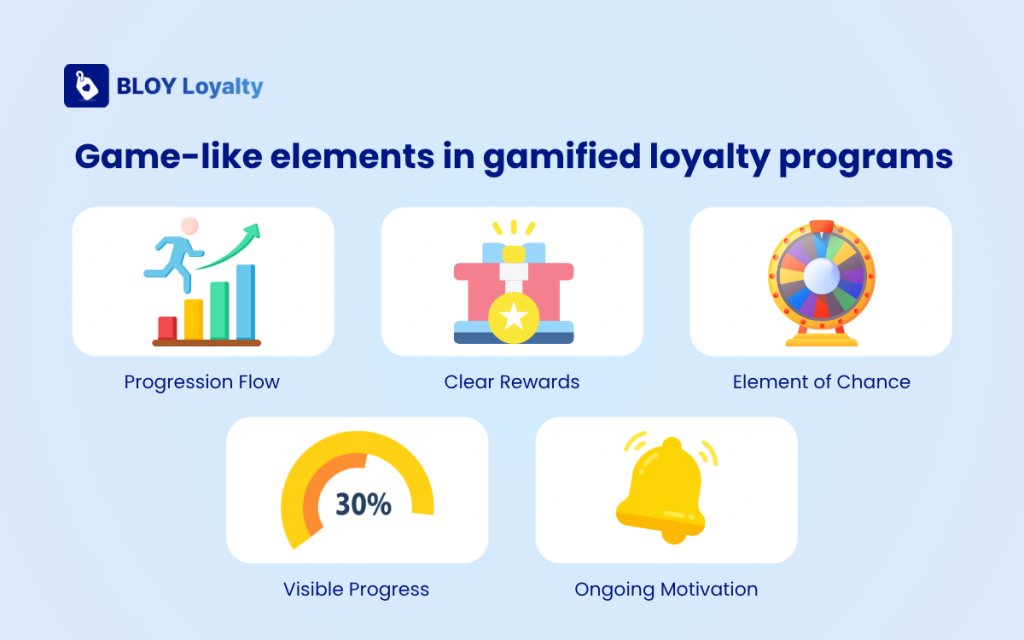
In practice, gamified loyalty programs use game-like elements to guide members through the program:
- Progression Flow: Customers complete tasks such as filling out their profile, joining challenges, or entering contests. Each step gives a sense of advancement.
- Clear Rewards: Participants know exactly what they can earn—bonus points, free products, exclusive services, or partner perks.
- Element of Chance: Features like spinning wheels or random draws add excitement, making rewards unpredictable yet appealing.
- Visible Progress: Members can track their achievements, seeing how close they are to completing challenges or unlocking rewards.
- Ongoing Motivation: Notifications, reminders, and milestone cues encourage members to continue participating until they reach the reward.
These features combine to create a dynamic, immersive experience that encourages repeat engagement, strengthens emotional connections, and makes the loyalty program more than just a transactional interaction.
🎯 Want to explore all the different ways you can structure a loyalty program on Shopify? Check out our guide on Types of Shopify Loyalty Programs to see which approach could work best for your store.
2. Why Gamified Loyalty Programs Matter for Shopify Stores?
Gamified loyalty programs offer several benefits for Shopify merchants looking to increase engagement and customer value:
- Increase customer engagement: Interactive features like progress bars, badges, and missions make shopping fun and habit-forming.
- Enhance customer lifetime value (LTV): Gamified programs strengthen long-term habits and emotional attachment to the brand.
- Proven results: Brands using gamified loyalty programs have been shown to achieve 22% higher customer retention compared to traditional programs (Stampme).
By turning loyalty into an interactive and rewarding experience, Shopify merchants can create programs that delight customers, encourage repeat visits, and strengthen brand loyalty.
3. What Makes Gamification So Effective?
Gamification works because it taps into human psychology in ways that traditional loyalty programs often do not. At its core, gamification leverages motivation, reward loops, and a sense of achievement to drive engagement and repeated behavior.
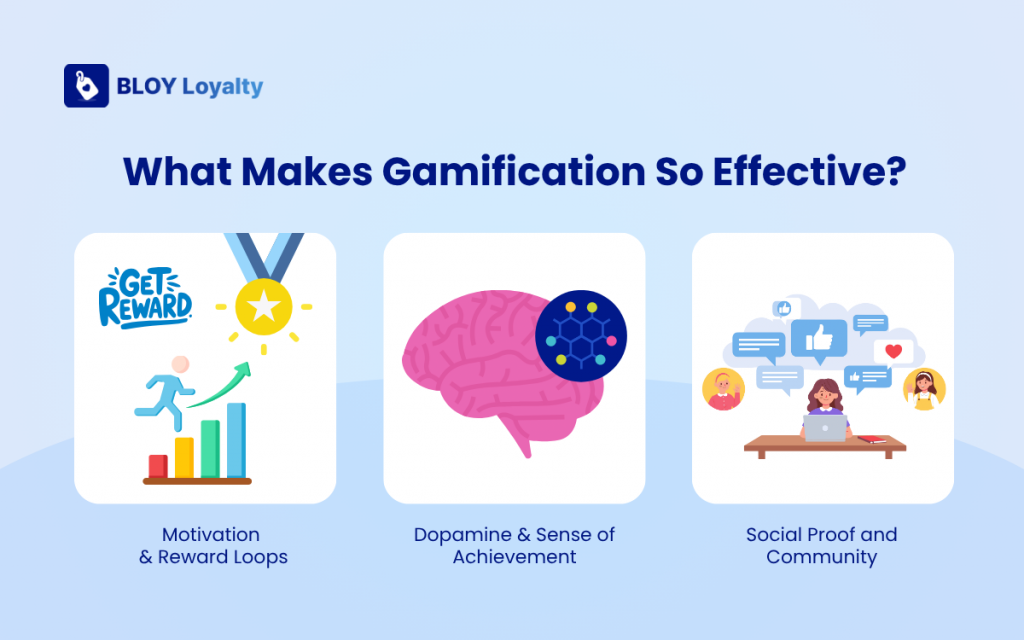
- Motivation and Reward Loops: When customers complete a challenge or action, they immediately see a reward—points, badges, or unlocks. This creates a positive feedback loop, reinforcing the behavior and encouraging repeat participation.
- Dopamine & Sense of Achievement: Gamified programs trigger small bursts of dopamine when customers reach milestones or unlock rewards. This creates a natural sense of accomplishment, which makes interactions enjoyable and addictive.
- Social Proof and Community: Features like leaderboards, shared challenges, and social sharing allow customers to see how others are performing. This builds a sense of competition, camaraderie, and belonging, motivating users to stay active and engaged.
The Power of Combining Fun, Rewards, and Community:
Gamification is most effective when these three elements come together: an entertaining experience, meaningful rewards, and a social environment where customers can connect. This combination turns a simple loyalty program into an interactive habit-building engine, increasing both customer engagement and long-term loyalty.
Short Example:
Imagine a Shopify store selling fitness gear. Customers earn points and badges for completing weekly fitness challenges, sharing their progress on social media, and inviting friends to join. The sense of accomplishment from earning badges, the excitement of earning rewards, and the social recognition from the community together keep customers returning regularly.
4. Best Gamification Loyalty Program Examples for Shopify Merchants
4.1. Bergzeit Club
Operation:
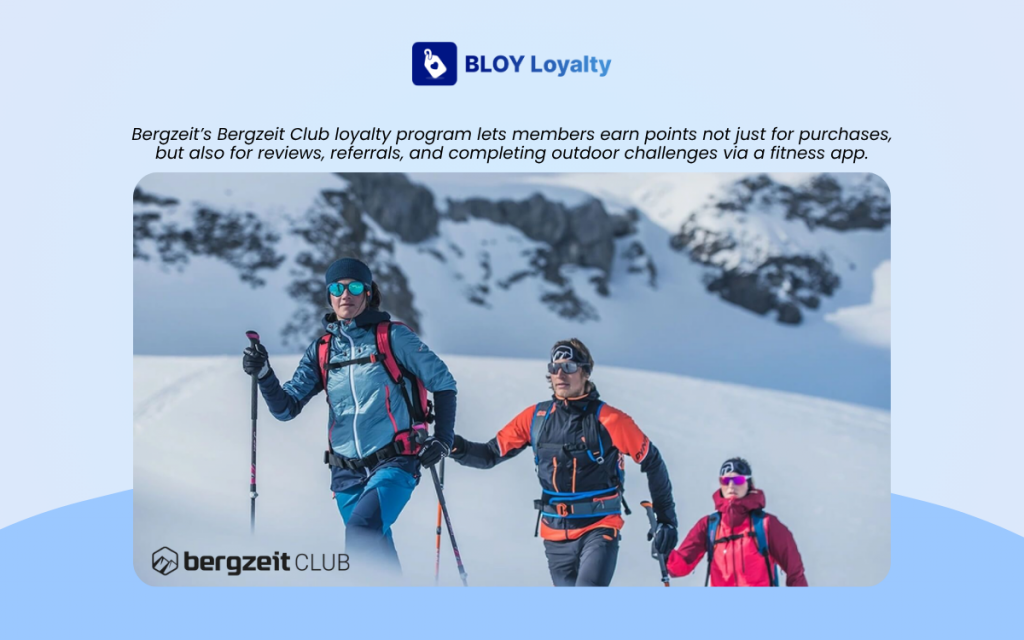
Bergzeit, a German outdoor and mountaineering retailer, runs the Bergzeit Club loyalty program combining “earn & burn” mechanics with tiered levels. Beyond purchases, members earn points through product reviews, referrals, and completing outdoor challenges via a fitness-tracking app.
Why it works:
- Integrates lifestyle activities beyond shopping, strengthening emotional connection.
- Challenges and app integration foster a sense of community and clear goals.
Insight for Shopify merchants:
For products tied to a specific lifestyle (sports, travel, outdoor), incorporate gamified actions outside purchases, like challenge completion or activity sharing, to increase repeat visits and customer lifetime value.
Results:
- Members increased order frequency by 95% vs. non-members.
- Average order value grew 25%.
4.2. Simply Be Perks
Operation:
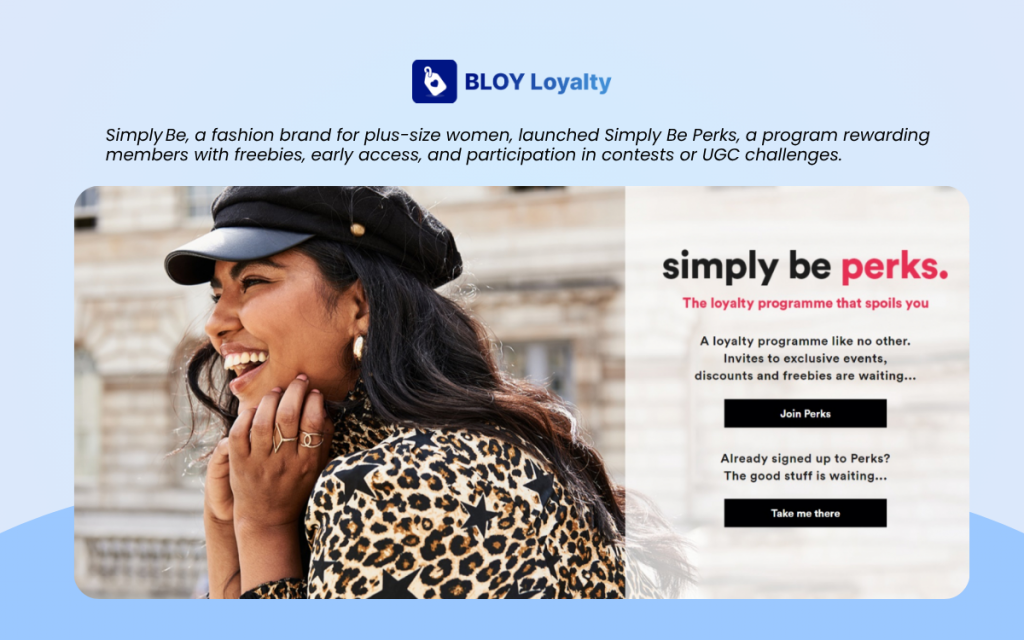
Simply Be, a fashion brand for plus-size women, launched Simply Be Perks, a program rewarding members with freebies, early access, and participation in contests or UGC challenges (photo/video submissions).
Why it works:
- Creates an emotional connection by celebrating customers and encouraging sharing.
- Participation is simple, clear, and doesn’t rely on complex point structures.
Insight for Shopify merchants:
Target communities with specific characteristics (body type, style, niche interest) by designing simple yet emotionally engaging programs that motivate social interaction, not just purchases.
4.3. Victoria’s Secret PINK Nation
Operation:
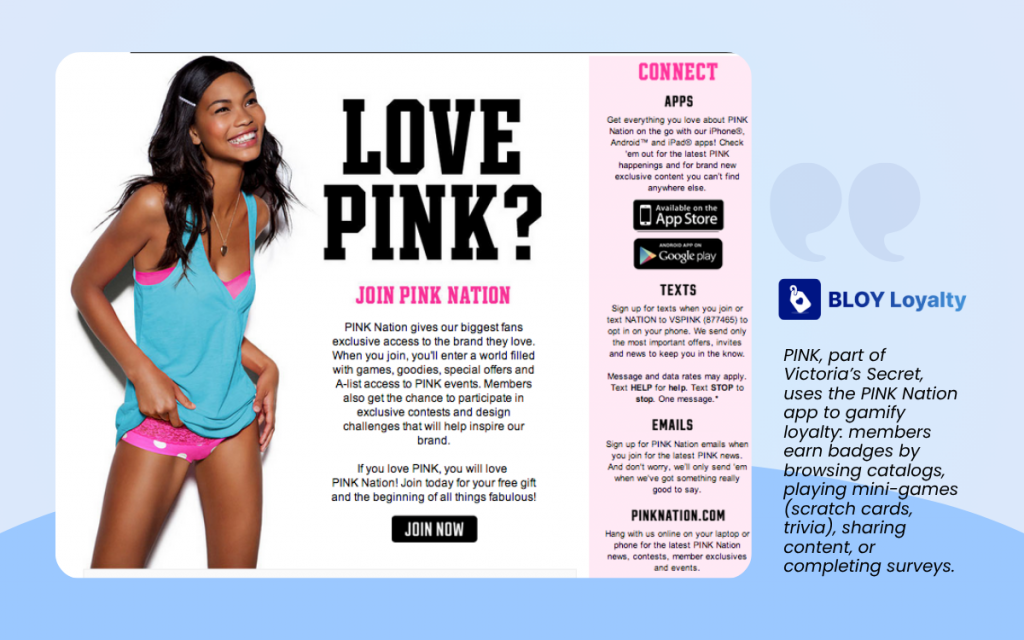
PINK, part of Victoria’s Secret, uses the PINK Nation app to gamify loyalty: members earn badges by browsing catalogs, playing mini-games (scratch cards, trivia), sharing content, or completing surveys.
Why it works:
- Game-like elements keep members entertained and engaged regularly.
- Collects customer data via games and quizzes for better personalization.
Insight for Shopify merchants:
If you have a mobile app or a responsive Shopify store, gamification through badges, quizzes, or mini-games can encourage frequent interaction beyond purchase events.
4.4. Virgin Red
Operation:
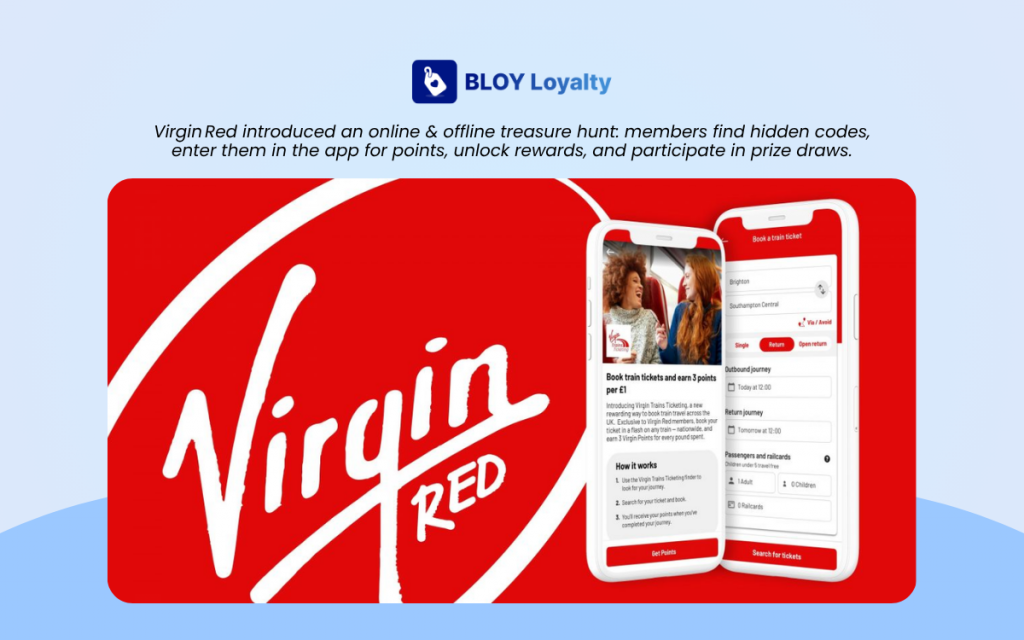
Virgin Red, the Virgin Group loyalty app in the UK, introduced an online & offline treasure hunt: members find hidden codes, enter them in the app for points, unlock rewards, and participate in prize draws.
Why it works:
- Combines online and offline channels with surprise rewards, increasing excitement and social buzz.
- Multi-brand integration allows members to earn points across different Virgin products.
Insight for Shopify merchants:
Even smaller brands can implement mini gamified events (e.g., hidden codes in the store or website) to boost interaction and create social sharing opportunities.
Results: “V Marks the Spot” campaign generated 131,000 sign-ups and 3,500 new members.
4.5. Tmall App Leaderboards
Operation:
Tmall, a Chinese e-commerce platform, implemented avatar games and leaderboards: users complete daily challenges to earn points and compare progress with other users.
Why it works:
- Leaderboards drive healthy competition and motivate frequent engagement.
- Gamified avatars make participation fun and encourage repeat activity.
Insight for Shopify merchants:
If you have highly engaged customers, consider gamifying daily actions (login, reviews, shares) and display achievements publicly to encourage ongoing participation.
✨ Takeaways for Shopify Merchants Using BLOY Loyalty
- VIP Tiers as Challenges: Set up tiered memberships and turn reaching each VIP level into a mini-challenge for your customers.
- Custom Ways to Earn: Go beyond purchases. Reward points for actions like leaving reviews, referring friends, or sharing products on social media.
- Custom Ways to Redeem: Offer flexible redemption options such as discounts, exclusive products, or early access to new arrivals.
- Visual Progress & Feedback: Use BLOY’s widget and popups to show customers their progress toward rewards and upcoming milestones, motivating repeat engagement.
By combining these features, Shopify merchants can create a loyalty program that’s interactive, motivating, and fun while still fully manageable within BLOY Loyalty.
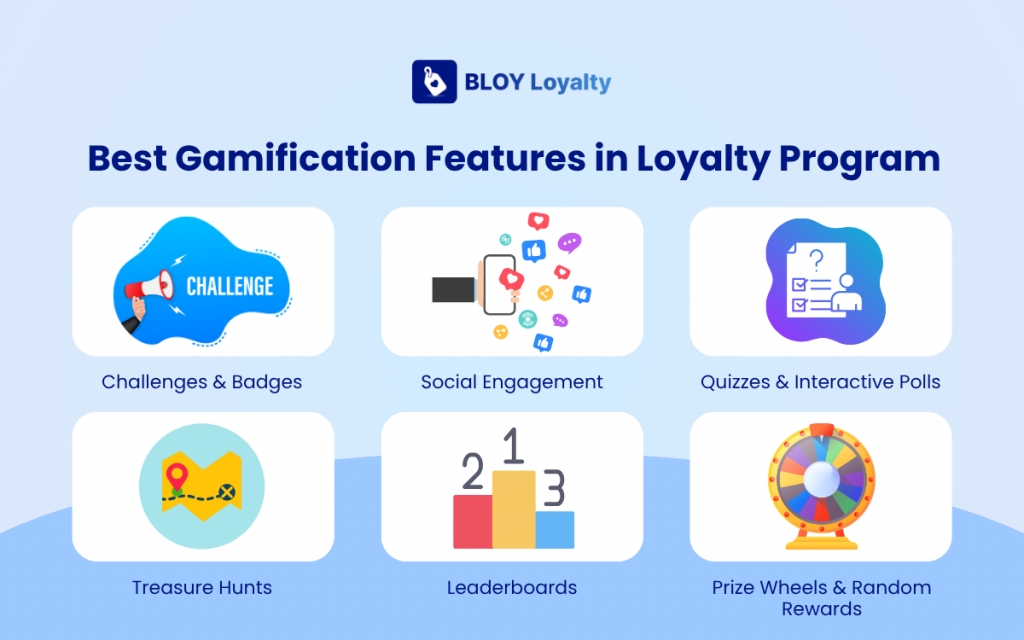
5. The 6 Best Gamification Features in Loyalty Programs
The sky’s the limit when it comes to gamifying your loyalty program. These features turn ordinary shopping into an interactive, fun, and rewarding experience. Let’s explore six of the most effective gamification elements, with examples and practical insights for Shopify stores.
5.1. Challenges & Badges
Challenges and badges reward customers for completing tasks, reaching milestones, or achieving goals. They provide a sense of accomplishment while encouraging repeated behavior.
Example: Bergzeit Club
- Members earn points by completing outdoor activities through a connected fitness app.
- Badges are awarded for reaching milestones like “10 km hike” or “week-long activity streak.”
Why it works:
- Milestones create a clear path for customers to engage consistently.
- Customers feel a sense of skill and achievement, increasing emotional attachment to the brand.
Shopify insight: Stores can integrate challenges with purchase behavior, product reviews, or referrals, motivating customers to return and interact more with your site.
5.2. Social Engagement – Share & Connect
Encourage customers to share content, join challenges, or interact socially to earn rewards. Social engagement spreads your brand organically while building community.
Example: Simply Be Perks rewards members for sharing outfit photos or unboxing videos on social media using branded hashtags, turning social engagement into points and exclusive perks.
Why it works:
- UGC (user-generated content) feels authentic and influences buying decisions.
- Contests and social sharing increase brand visibility at low cost.
Shopify insight: Encourage your Shopify customers to post purchases or reviews on social media with unique hashtags to boost engagement and attract new buyers.
5.3. Quizzes & Interactive Polls – Learn & Reward
Gamified quizzes and polls engage customers while gathering valuable insights about their preferences. Points or perks can be awarded for participation.
Example: Victoria’s Secret Pink Nation rewards customers with points for participating in fashion polls, quizzes, and daily trivia challenges, making engagement fun while collecting valuable insights.
Why it works:
- Fun, interactive content keeps customers engaged longer.
- Brands gather data to personalize offers and improve recommendations.
Shopify insight: Use quizzes to recommend products in your Shopify store while rewarding customers for participation, increasing both engagement and conversion rates.
5.4. Treasure Hunts – Explore & Discover
Treasure hunts give customers the thrill of discovery, either online or in-store. Rewards or codes are hidden in different locations, creating an adventurous shopping experience.
Example: Virgin Red Loyalty App turns loyalty into a game. Members hunt for hidden tokens, collecting points and gaining access to exclusive rewards.
Why it works:
- Introduces excitement and surprise, motivating customers to explore your brand’s offerings.
- Customers discover products they might not have noticed otherwise.
Shopify insight: Add interactive hunts in your online store, e.g., hidden product pages or secret discount codes, to drive deeper engagement and more repeat visits.
5.5. Leaderboards – Friendly Competition
Leaderboards show top-performing customers based on points, purchases, or completed challenges. Competition motivates users to engage more frequently.
Example: Tmall App turns engagement into a game. Users complete daily tasks to rise on the leaderboard, gaining recognition and additional rewards.
Why it works:
- Encourages social proof and community competition.
- Motivates repeat behavior and long-term loyalty.
Shopify insight: Track top shoppers or most active members on a Shopify loyalty app leaderboard to foster healthy competition and highlight brand advocates.
5.6. Prize Wheels & Random Rewards – Spin & Win
Elements of chance like prize wheels or instant draws create excitement and a “surprise and delight” experience for customers.
Example: Yeo Valley Organic Yeokens turns product purchases into a game. Customers scan codes to collect points, enter draws, and access unique rewards.
Why it works:
- Adds thrill and unpredictability, increasing program participation.
- Encourages customers to check back frequently to see what they might win.
Shopify insight: Incorporate a prize wheel for online shoppers to unlock discounts, free products, or points, boosting engagement and repeat purchases.
Learn how to combine these elements with subscription-based loyalty programs for Shopify stores.
6. How to Use Gamification in Your Shopify Loyalty Program
Gamification doesn’t have to be complicated. Shopify merchants can make their loyalty programs interactive and fun by setting up simple game-like mechanics. Here’s how:
- Set up challenges and milestones
Transform your loyalty tiers or milestones into mini-challenges. For example, reaching a VIP level could be treated as a “quest” for customers to complete certain actions. - Add points, badges, and rewards
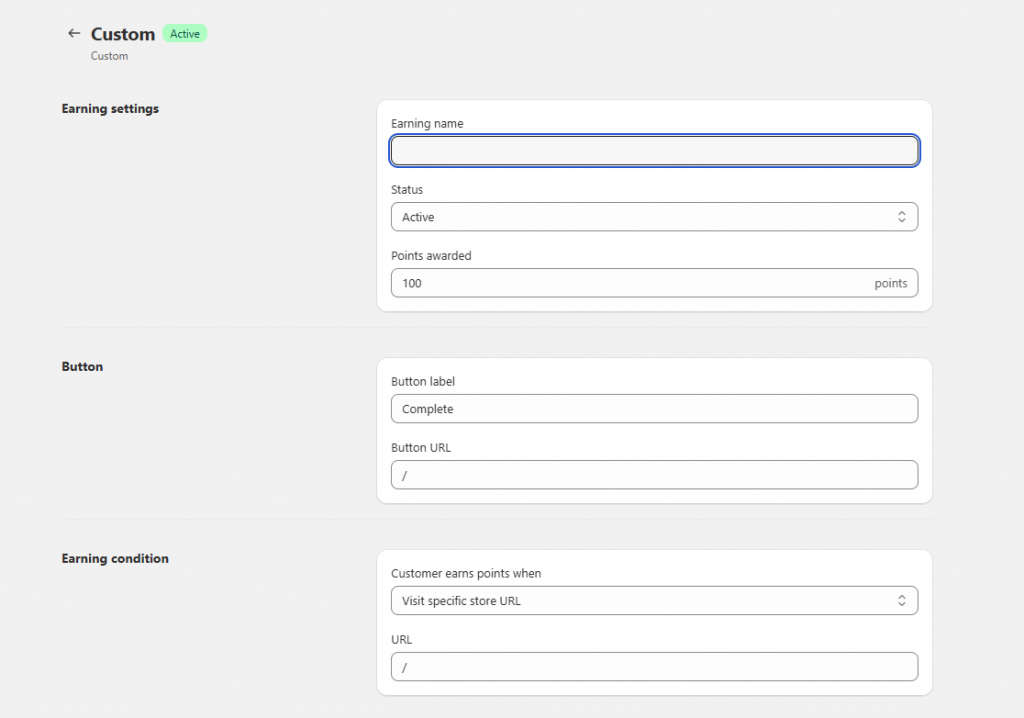
Award points for different activities. If you’re using BLOY Loyalty, you can utilize the Custom Way to Earn feature to:- Set the earning name and points awarded
- Define earning conditions like clicking a button, visiting a specific store URL, or completing a manual action that you approve
- Integrate social sharing or referrals
Reward points for customers who share products or refer friends. These social actions increase engagement while making the experience feel interactive and community-driven. - Use leaderboards, prize wheels, or interactive content
Display progress bars, spin-to-win wheels, or mini-quizzes to make earning points feel like a game. Visual feedback encourages repeat participation and keeps customers motivated.
Tips for Shopify Merchants:
- If using BLOY Loyalty, experiment with its custom earning settings to gamify your store without technical complexity.
- Keep it simple — too many rules or complex workflows can discourage participation.
- Focus on actions that drive repeat engagement and meaningful customer behavior.
7. Conclusion
Gamified loyalty programs turn shopping into an interactive and rewarding experience by using challenges, points, badges, and leaderboards. As a result, Shopify merchants can boost customer engagement and lifetime value while keeping participation fun and simple. To put these ideas into action, bring them to life with BLOY Loyalty by customizing earning and redemption methods for your store.

Zoe Pham
Zoe Pham is a content strategist at BLOY, specializing in customer retention and loyalty marketing. She writes about practical ways Shopify brands can boost lifetime value and grow sustainably.