Loyalty Program Business Model: The Definitive Profit Guide for Shopify
You’ve built a thriving Shopify store. Traffic is growing. Sales are coming in. But here’s the problem: 70% of your customers only buy once.
The loyalty program industry is worth $5.57 billion, yet 63% of programs fail within three years. Why? Because Shopify brands treat loyalty as a marketing add-on instead of designing a profitable loyalty program business model from day one.
This guide is different. We’re covering financial modeling, Shopify-native integrations, psychological triggers, and the technical setup that actually drives repeat purchases.
1. What Is a Loyalty Program Business Model for Shopify Stores?
A loyalty program business model transforms one-time Shopify buyers into repeat customers by systematically rewarding purchases, referrals, and engagement. Unlike acquisition strategies costing $50-$200 per customer on Facebook and Google Ads, loyalty leverages your existing base- where retention costs 5-7x less.
💡 The Core Equation:
- Loyalty ROI = (Increased CLV from Repeat Purchases) – (Rewards Cost + App Fees)
If positive, your program is a profit center. If negative, you’re subsidizing discount hunters.
Track in Shopify Analytics:
- Repeat Customer Rate (Analytics → Customer Reports)
- AOV for loyalty members vs. non-members
- Customer Lifetime Value (CLV)
- Redemption Rate (from your loyalty app dashboard)
2. The 4-Quadrant Loyalty Model Matrix
The 4-quadrant matrix helps you pick the right mechanics, but mechanics alone do not guarantee profit. A profitable loyalty program business model also defines how points are valued, how rewards are funded by margin, and which customer behaviors you are willing to “pay for” over time.
| Business Type | Purchase Frequency | Best Loyalty Model | Examples |
| Consumables/Subscriptions | High | Points + VIP Tiers + Subscribe & Save | Trade Coffee, Olipop |
| Fashion & Beauty | Medium | Points + Early Access + Birthday Rewards | Gymshark, Glossier |
| Seasonal/Lifestyle | Low-Medium | Cashback + Referral Bonuses | Rifle Paper Co. |
| Big Ticket Items | Very Low | Service Perks (Free Shipping, Warranty) | Burrow, Casper |
Key Insight: If you’re selling $2,000 sofas every 3 years, “Buy 10, Get 1 Free” is useless. But free white-glove delivery or lifetime warranty? That’s retention gold.
3. The Financial Math (Don’t Go Broke on Points)
Every point you issue is debt on your balance sheet. Get your exchange rate wrong and you’ll owe more in rewards than you make in profit.
The Point Valuation Formula
Step 1: Set Your Exchange Rate Most apps default to 100 points = $1 ($0.01 per point). Adjust based on your margins.
Step 2: Calculate Your Liability
Total Outstanding Points × Value Per Point = Your Debt
10 million points at $0.01 each = $100,000 liability.
Step 3: Factor in Breakage 10-30% of points expire unused. This “breakage” is your profitability cushion.
💡 Real ROI Example (From Shopify Analytics)
- Without Loyalty
- With Loyalty
1.5 purchases/year × $65 AOV = $97.50 revenue
40% margin = $39 profit
3 purchases/year × $75 AOV = $225 revenue
40% margin = $90 gross
Rewards: -$15
App cost: -$5/member/year
Net profit = $70
Loyalty Lift = $31 per member
With 5,000 active members: $155,000 additional annual profit.
4. The Psychology Playbook
4.1. Endowed Progress Effect
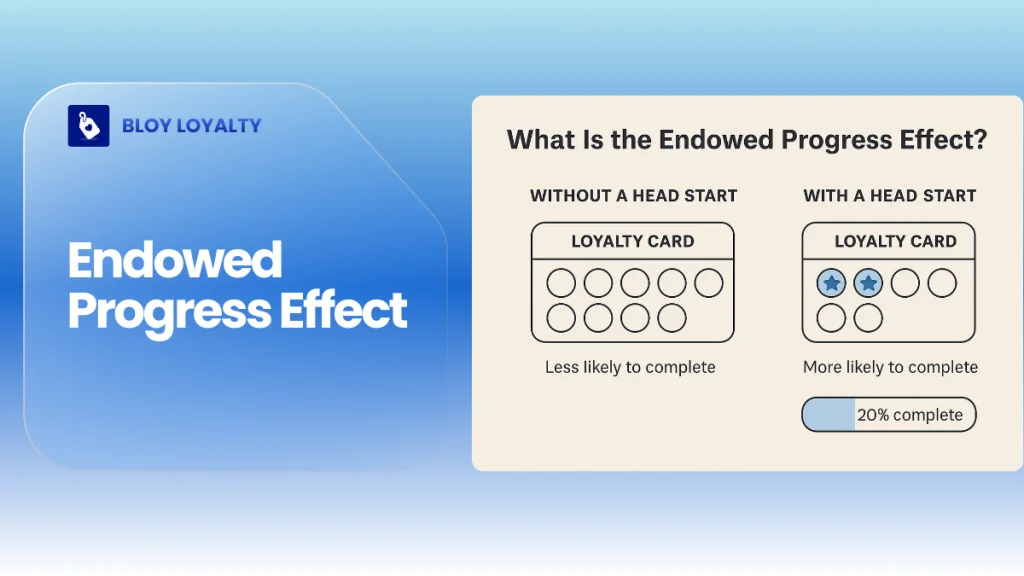
The Tactic: Give new members 50-100 points on signup. Display: “You’re already 10% toward your first reward!”
Why It Works: Columbia study showed people with a “head start” were 2x more likely to complete the task.
Shopify Setup: Enable “Welcome Points” in your loyalty app + trigger a Klaviyo email 10 minutes after signup.
4.2. Loss Aversion (FOMO)
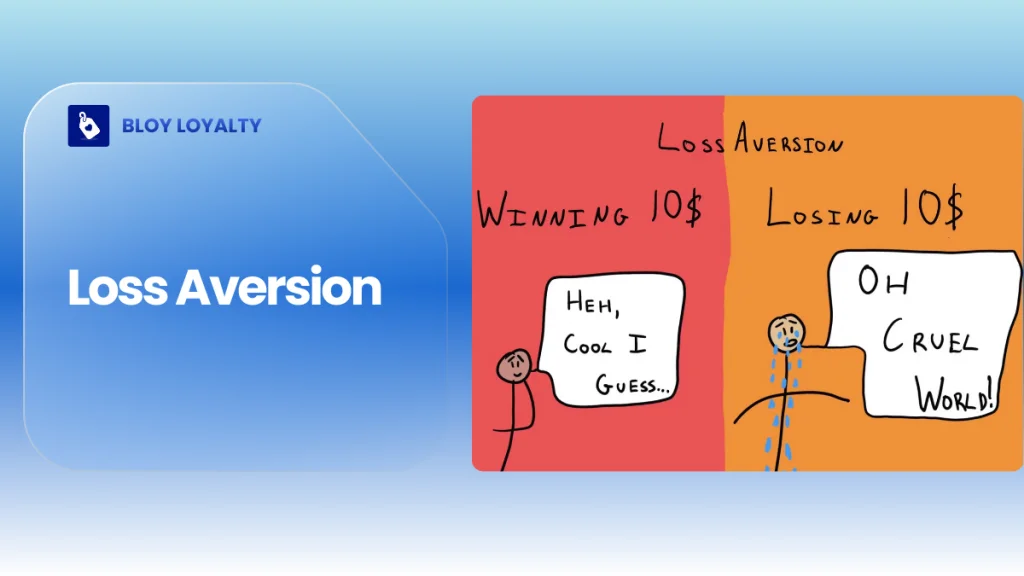
The Tactic: “Your 500 points expire in 7 days—don’t lose them!”
Shopify Setup: Set 12-month expiration in your app. Use Klaviyo to trigger warnings 7 days before expiration.
4.3. Variable Rewards
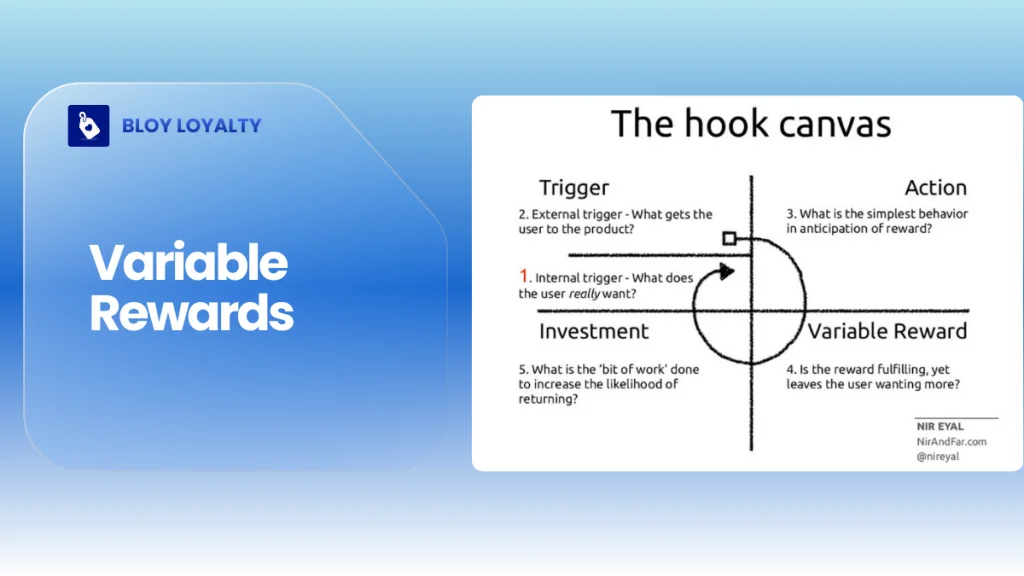
The Tactic: Run surprise “2x Points Weekends” once a month.
Why It Works: Unpredictable rewards trigger more dopamine than predictable ones.
Real Data: A $2M beauty brand sees 35% order spikes during 2x point weekends.
5. The Dark Side (What Nobody Talks About)
Loyalty Fatigue
Problem: Email 3x/week about points → subscribers tune out or mark as spam.
Fix: Segment ruthlessly in Klaviyo. Only email VIPs about VIP perks. Only notify at-risk customers about point expiration.
Mercenary Loyalty
Problem: Customers only stay for discounts. Remove discounts = they churn.
Red Flag: 70%+ of redemptions at lowest tier ($5 off).
Fix: Add non-monetary rewards—early access, exclusive products, VIP community access. These filter out deal-hunters.
Fraud & Gaming
Problem: Multiple accounts to farm signup bonuses, fake referrals.
Fix:
- Require email verification before awarding points
- Cap referrals (max 5/month)
- Deduct points on returns (enable in app settings)
6. Omnichannel Setup (Shopify POS + Beyond)
Shopify POS Integration
The Advantage: Shopify POS syncs with your online store natively. Loyalty apps like Smile.io, Yotpo, and LoyaltyLion track points across online and in-person sales.
Setup:
- Enable loyalty app in POS settings
- Customers earn points at checkout
- Redeem via email/phone lookup in-store
- Train staff: “Are you part of our rewards program?”
Pop-Ups Without POS
- QR Codes: Link to loyalty signup + 100-point “Thanks for shopping IRL” bonus
- Receipt Upload: Let customers photograph receipts for manual point approval
- Promo Codes: Give in-person buyers a unique code for bonus points on first online order
Amazon Sellers
You cannot track Amazon purchases directly (API restriction). But you can:
- Include QR code inserts in Amazon orders
- Offer “Amazon customer” welcome bonuses on your Shopify site
- Retarget via Shopify Email if you capture their email
7. AI-Powered Retention
Modern loyalty apps use AI to predict churn. If a VIP hasn’t purchased in 60 days (but usually buys every 30), the system auto-triggers: “We miss you—here’s 200 bonus points.”
Shopify Apps with AI:
- Klaviyo (churn prediction, send time optimization)
- Yotpo (AI segmentation)
- Shopify Flow (DIY: monitor “Days Since Last Purchase” → auto-tag at-risk customers)
Real Results: A $3M beauty brand recovered 18% of at-risk customers, adding $74K in revenue.
Checkout Extensions (Game-Changer)
Shopify now lets loyalty apps integrate into checkout via Checkout Extensibility:
- Customers see point balance at checkout
- One-click redemption (no need to leave and copy codes)
- Reduces cart abandonment by 8-12%
Apps Supporting This: Bloy, Smile.io, Yotpo, LoyaltyLion
8. The Shopify Loyalty Tech Stack
Core Components
Loyalty Platform
| App | Best For | Pricing |
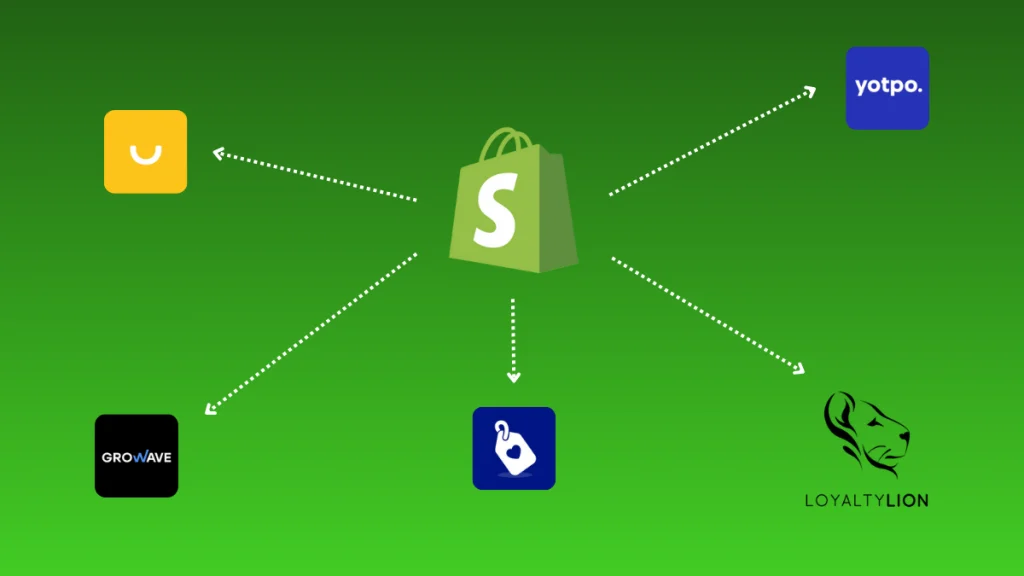
| Bloy | SMB to mid-market stores focusing on points, VIP tiers, and flexible loyalty logic | Free |
| Smile.io | Small-medium stores | Free – $599/mo |
| Yotpo | All-in-one (reviews + loyalty) | Custom |
| LoyaltyLion | Data-driven merchants | $399 – $999/mo |
| Growave | Budget-conscious | $29 – $299/mo |
Email/SMS Platform
- Klaviyo (best Shopify integration)
- Shopify Email (free, limited)
- Attentive (SMS focus)
Analytics
- Shopify Analytics (native)
- Google Analytics 4
- Triple Whale or Northbeam (for DTC brands)
Referral Tools (if not built into loyalty app)
- Friendbuy
- ReferralCandy
Pre-Launch Checklist
- Point value set (and profitability tested)
- Welcome points configured (50-100 points)
- 12-month expiration set
- Klaviyo connected
- Email triggers built (welcome, milestone, expiration)
- Checkout extension enabled
- Mobile tested (60% of traffic)
- Support trained on manual point adjustments
- Fraud rules set (cap referrals, require verification)
9. The 10-Step Launch Checklist
- Audit Shopify Analytics → What’s your repeat purchase rate? That’s your baseline.
- Choose your model from the 4-quadrant matrix (Section 1).
- Set point value and test profitability (Section 2).
- Design 3 reward tiers:
- Easy (100-500 points)
- Medium (1,000 points)
- Aspirational (5,000+ points + VIP perks)
- Install loyalty app and connect to Klaviyo.
- Pre-launch to VIP test group (top 10-15% by CLV).
- Launch with “Founding Member” bonus (200 points to first 500 signups).
- Monitor redemption weekly for 90 days. Adjust thresholds if needed.
- A/B test triggers:
- Expiration timing (7 vs. 14 days)
- Double-point days (weekends vs. weekdays)
- Birthday rewards (gift vs. points)
- Review quarterly → Calculate Loyalty Member CLV vs. Non-Member CLV. If lift < app cost, revisit model.
10. CAC vs. CRC: The Numbers That Matter
| Metric | Customer Acquisition Cost | Customer Retention Cost |
| Shopify Average | $50-$200 (Facebook/Google Ads) | $5-$30/year (app + rewards) |
| Payback Period | 6-12 months | Immediate (if ROI positive) |
| Long-Term Value | One-time buyer unless retained | 3-10x higher CLV |
Example: Your CAC is $100. First purchase AOV: $75 at 40% margin = $30 profit. You’re losing $70.
With loyalty (CRC: $20/year):
- Year 1: 3 purchases × $75 = $225 → $90 gross – $20 CRC = $70 profit
Action: Check Shopify Analytics → Customer Reports. If repeat rate < 20%, you need a retention strategy immediately.
Final Verdict
Most Shopify merchants install a loyalty app and forget it. The stores that scale to 7-8 figures treat loyalty as a financial instrument – a lever that increases CLV, reduces CAC payback, and builds defensibility.
Your Action Plan:
Start with Shopify Analytics math → Calculate current CLV and repeat rate
Design for psychology, not just points → Use loss aversion, progress bias, variable rewards
Build Shopify-native infrastructure → Connect Klaviyo, enable POS sync, turn on checkout extensions
Track and iterate relentlessly → Check metrics quarterly, adjust based on data
Loyalty isn’t about rewarding every purchase, it’s about creating a system where your highest-value customers feel recognized, fence-sitters get nudged to purchase #2, and your brand builds a moat competitors can’t cross.
Your Shopify store already has traffic. Now build the system that turns one-time buyers into a revenue engine.

Yến Lê Hải
Content author at BLOY, focusing on product-led content, SEO, and educational resources to help merchants improve conversion and customer engagement.