Mobile Loyalty Apps: How Brands Turn Smartphones Into Repeat Purchases
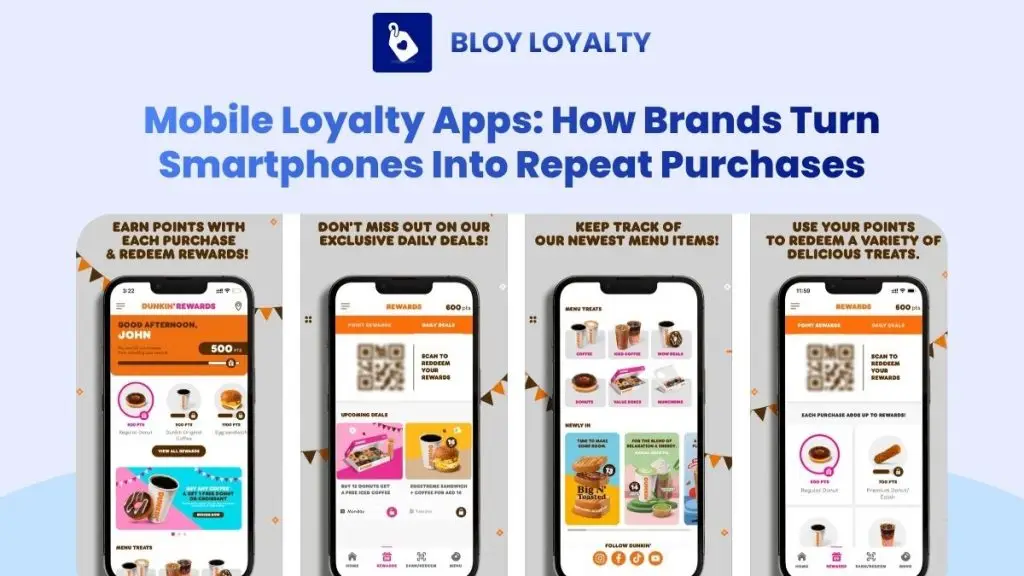
Mobile loyalty apps are no longer just digital versions of punch cards or point trackers. As purchase decisions increasingly happen on smartphones, loyalty has moved with that behavior. Instead of relying on customers to remember a loyalty program, mobile loyalty apps surface rewards, points, and incentives at the exact moments when customers are deciding where to buy. This article explains what mobile loyalty apps really are, why they matter now, and how they influence repeat purchase behavior in practice.
1. What are mobile loyalty apps?
Mobile loyalty apps are customer loyalty solutions designed with a mobile-first approach, where earning rewards, tracking points, and redeeming benefits all happen directly on a smartphone. Rather than functioning as a separate system customers visit occasionally, mobile loyalty apps are embedded into everyday purchasing behavior and ongoing brand interactions.
The key difference lies in context. Traditional loyalty programs often sit outside the purchase flow and depend on customers remembering to engage. Mobile loyalty apps, on the other hand, exist inside the customer’s daily mobile environment, making loyalty visible before, during, and immediately after a transaction. This allows loyalty to influence decisions at the moment they are actually being made.
By living on a personal device, mobile loyalty apps shift loyalty from a passive background feature into an active decision-shaping mechanism. Instead of simply rewarding past purchases, they help brands stay relevant at the exact moments when customers are choosing whether to return.
2. Why loyalty goes mobile
Loyalty did not move to mobile because brands wanted it to. It moved because customers stopped making repeat purchase decisions anywhere else. Today, the moments that decide whether someone comes back happen on a smartphone: while scrolling, comparing options, or checking something quickly before choosing where to buy.
When loyalty lives outside that environment, it becomes invisible at
the exact moment it should matter. Points may still be issued. Rewards may still exist. But they no longer influence the decision itself. Mobile loyalty apps solve this gap by placing loyalty inside the same space where choices are actually made.
2.1 Loyalty only works when it is present at the moment of choice
Most traditional loyalty programs assume customers will remember them later. In reality, customers rarely pause to recall a program that is not immediately visible. Decisions are fast, habitual, and often made with limited attention.
Mobile loyalty apps change this dynamic by keeping loyalty close to everyday behavior. When rewards, balances, or benefits are accessible on a device customers already use constantly, loyalty stops being something to remember and starts becoming something that quietly shapes decisions.
2.2 Mobile shifts loyalty from “after purchase” to “before return”
In many programs, loyalty activates only after a transaction is completed. Customers earn points, but those points rarely affect when or where they come back next. The delay weakens loyalty’s influence.
On mobile, loyalty appears earlier. It can nudge customers before they choose a brand again, not just reward them after the fact. This timing matters. Small, well-timed incentives often outperform larger rewards that arrive too late to shape behavior.
2.3 On mobile, loyalty becomes part of brand choice, not a bonus
As more brands adopt mobile loyalty, loyalty itself stops being a differentiator customers actively think about. Instead, it becomes part of how a brand feels to return to. Some brands feel easier, more rewarding, or more familiar on mobile, even when customers cannot articulate why.
This is where mobile loyalty apps matter most. They do not compete by offering more points, but by integrating value smoothly into the customer’s decision flow. When loyalty feels effortless, it quietly influences preference.
3. How mobile loyalty apps work across different industries
Mobile loyalty apps do not work the same way in every industry. The mechanics may look similar on the surface, but what loyalty actually influences depends on how often customers buy, how quickly they decide, and what “returning” means in that context. Understanding these differences is key to designing loyalty that feels relevant instead of generic.
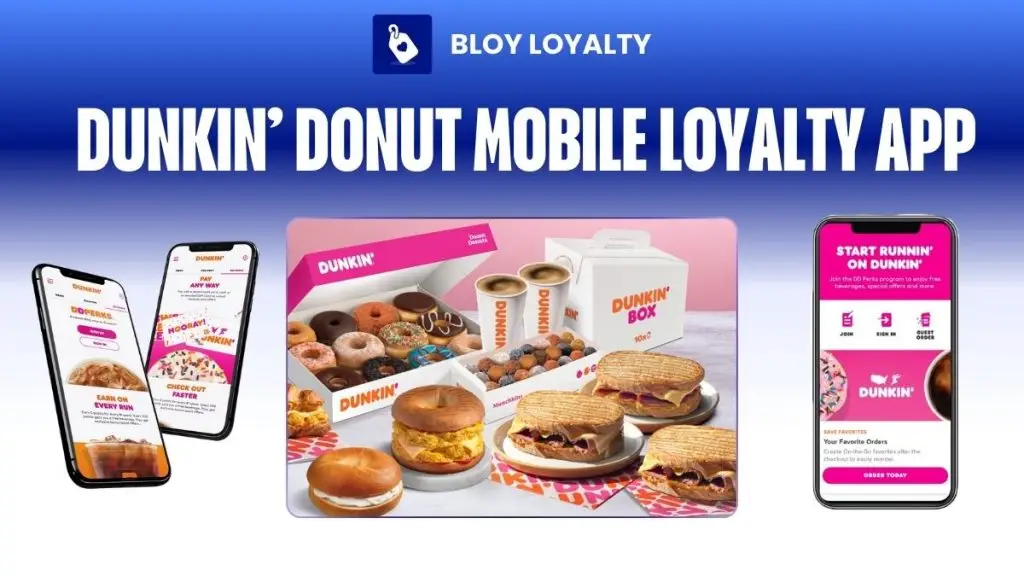
3.1 F&B: Loyalty works on short return cycles
In food and beverage, loyalty rarely convinces someone to try a place for the first time. Its real job is much simpler and much harder at the same time: to be the reason a customer comes back again soon, not “someday.”
Purchase cycles in F&B are short. Decisions are often made quickly and with little planning. Mobile loyalty apps fit this behavior because they remove friction at the exact moments that matter. Points are earned automatically. Rewards are easy to understand. Redemption happens without slowing down the order.
What makes mobile loyalty effective in F&B is not reward size, but immediacy. A small benefit that feels accessible today can outperform a larger reward that feels distant. When loyalty aligns with this short-term decision window, it becomes part of the customer’s routine rather than a separate program they have to remember.
3.2 Retail: Loyalty supports comparison-driven decisions
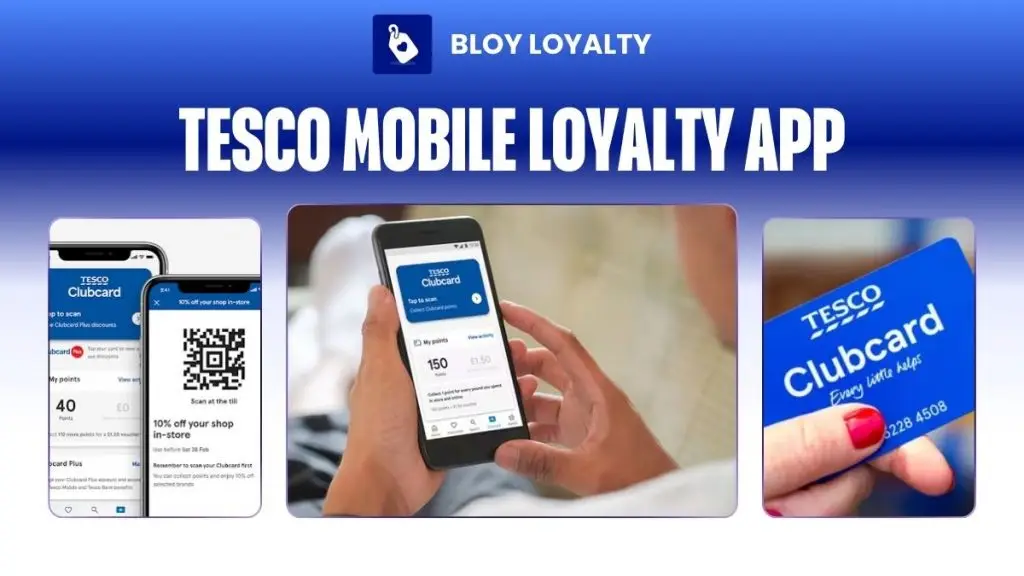
Retail purchases usually involve more comparison. Customers browse, check prices, and weigh alternatives before committing. In this environment, loyalty rarely acts as the primary reason to buy, but it often becomes the deciding factor when options feel otherwise similar.
Mobile loyalty apps keep this value visible during the consideration phase. Points balances, member pricing, or exclusive rewards act as quiet signals that staying with a brand has ongoing benefits. Loyalty does not push customers to buy immediately, but it helps tip the scale when the choice is close.
In retail, mobile loyalty works best when it feels integrated into the shopping journey rather than positioned as a separate incentive layer. When loyalty information appears naturally alongside products and pricing, it reinforces preference without interrupting intent.
3.3 Hospitality: Loyalty extends the brand experience
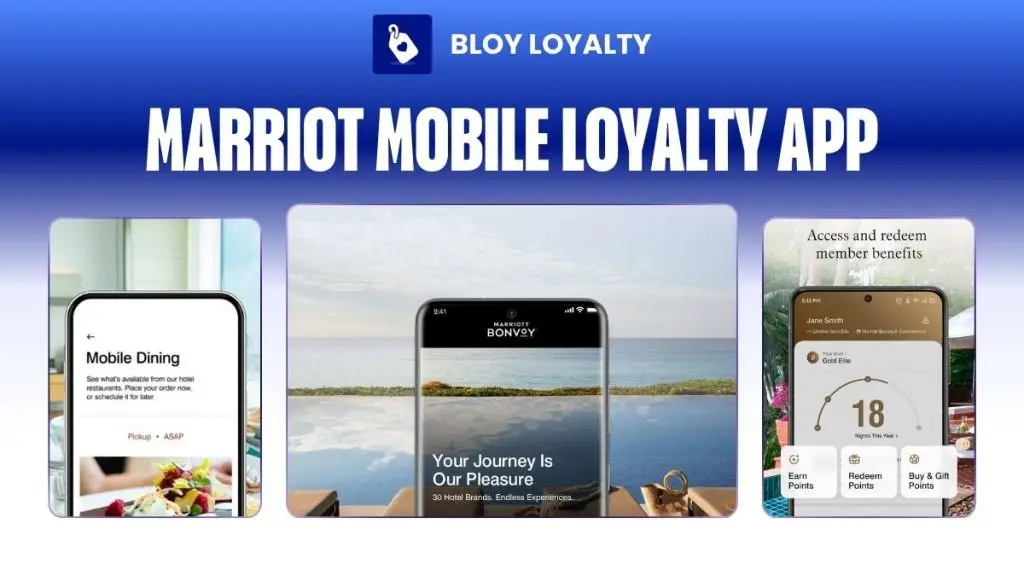
In hospitality, loyalty operates on a longer timeline. Customers return less frequently, but the emotional and experiential stakes are higher. Here, mobile loyalty apps are less about driving the next transaction and more about maintaining a sense of connection between visits.
Mobile loyalty in hospitality works when it reinforces familiarity and recognition. Status, perks, and member benefits help customers feel known and valued, even when they are not actively booking. The app becomes a lightweight touchpoint that keeps the brand present without demanding immediate action.
Rather than pushing frequent rewards, mobile loyalty apps in hospitality focus on continuity. They make returning feel easier, more personal, and more predictable, which matters when decisions are spaced far apart and influenced by trust as much as price.
4. What makes a mobile loyalty app actually effective
Not all mobile loyalty apps create loyalty. Many function perfectly on paper: points are issued, rewards exist, redemptions are possible. Yet behavior does not change. Customers continue buying as before, and loyalty slowly fades into background infrastructure.
The difference between mobile loyalty apps that work and those that merely run comes down to how closely loyalty aligns with real decision-making behavior.
4.1 Loyalty must appear before the decision, not after the transaction
Loyalty loses most of its power when it activates too late. If rewards only become visible after a purchase is completed, they reward behavior without influencing the next choice.
Effective mobile loyalty apps surface value earlier. They make benefits visible when customers are deciding whether to return, not when the decision has already been made. This shift in timing is subtle, but it determines whether loyalty shapes behavior or simply tracks it.
4.2 Loyalty should reduce effort, not add steps
Mobile loyalty fails when it asks customers to work for it. Extra logins, complicated rules, or unclear rewards quickly turn loyalty into friction.
Strong mobile loyalty apps feel lightweight. Customers understand how value is earned and redeemed without thinking about it. Loyalty becomes something that happens alongside the purchase, not something customers have to manage separately.
When loyalty lowers effort instead of increasing it, participation becomes habitual rather than intentional.
4.3 Rewards matter less than relevance
More points or bigger discounts do not automatically make a loyalty program effective. What matters is whether the reward fits naturally into how and why customers return.
Mobile loyalty apps work best when rewards feel immediately usable and contextually appropriate. A modest benefit that aligns with a customer’s routine often outperforms a larger reward that feels distant or impractical.
Relevance turns rewards from incentives into reinforcements of existing behavior.
4.4 Loyalty should feel invisible, but always available
The most effective mobile loyalty apps rarely draw attention to themselves. They do not interrupt the experience or demand engagement. Instead, they sit quietly in the background, ready to add value when needed.
When loyalty feels seamless, customers do not think about “using a loyalty program”. They simply experience a brand as easier, more rewarding, or more familiar to return to. Over time, this perception shapes preference without requiring conscious effort.
5. When should a business invest in mobile loyalty apps?
Mobile loyalty apps are most effective when they reinforce how customers already behave, not when they are used as a shortcut to fix deeper retention issues. Instead of asking what features a loyalty app offers, the better question is whether customer behavior is ready for loyalty to live on mobile.
5.1 Customers already rely on mobile to make repeat decisions
Mobile loyalty apps work best when smartphones are already part of the customer’s decision flow. This typically includes behaviors such as:
- Browsing or comparing options on a phone before returning
- Placing orders or checking availability on mobile
- Looking up information quickly before choosing a brand again
When customers already default to mobile, loyalty that exists elsewhere becomes easy to ignore. In these cases, moving loyalty onto mobile is less a strategic leap and more a practical alignment with reality.
5.2 Loyalty exists, but no longer changes behavior
Another clear signal is when a loyalty program technically works but no longer influences outcomes. Common symptoms include:
- Points continue to accumulate, but return timing does not improve
- Rewards exist, but redemption feels detached from purchase decisions
- Customers behave the same way with or without loyalty
This usually points to a timing problem, not a reward problem. Mobile loyalty apps address this by bringing loyalty closer to the moment customers decide whether to come back, rather than rewarding them after the decision has already passed.
5.3 Competition makes small advantages matter more
As markets become more crowded, differences between brands often shrink. Products, pricing, and convenience start to look similar, especially on mobile.
In these environments, loyalty rarely wins customers outright. Instead, it acts as a quiet advantage. When loyalty benefits are visible and accessible on mobile, they can subtly influence repeat decisions when customers are choosing between otherwise comparable options.
5.4 The business is ready to design loyalty around behavior
Mobile loyalty apps perform best when businesses already have clarity on:
- What repeat behavior they want to encourage
- How often customers typically return
- Where friction or drop-off happens between visits
Without this understanding, mobile loyalty risks becoming another layer of features rather than a behavior-shaping system. With it, mobile loyalty becomes a way to reinforce what already drives return visits.
Conclusion
Mobile loyalty apps are not about adding another layer to a loyalty program. They are about relocating loyalty to where repeat decisions actually happen. When loyalty exists outside the customer’s mobile environment, it may continue to operate, but it gradually stops influencing behavior.
The brands that succeed with mobile loyalty are not the ones offering the biggest rewards. They are the ones that make loyalty visible, relevant, and effortless at the moment customers decide whether to return. In that sense, mobile loyalty is less a feature upgrade and more a shift in how loyalty participates in everyday decision-making.
FAQs about mobile loyalty apps
What is the difference between mobile loyalty apps and traditional loyalty programs?
Traditional loyalty programs often live outside the purchase flow and depend on customers remembering to engage. Mobile loyalty apps live on smartphones, making loyalty accessible within everyday behavior and closer to the moment of decision.
Do mobile loyalty apps require a standalone branded app?
Not necessarily. Some mobile loyalty experiences live inside existing apps, wallets, or mobile-first environments. What matters is not the app format, but whether loyalty is easy to access on mobile when customers need it.
Are mobile loyalty apps only effective for high-frequency businesses?
Mobile loyalty apps tend to perform best where customers return often, such as F&B or retail, but frequency alone is not the deciding factor. What matters more is whether customers use mobile to browse, compare, or decide before returning.
Why do some mobile loyalty apps fail to change behavior?
Most failures come from timing and friction, not from reward value. When loyalty activates after the decision or requires too much effort to use, it stops influencing return behavior even if rewards are technically available.
How should businesses measure the success of mobile loyalty apps?
Success should be measured by changes in behavior, not just activity. Metrics like return timing, repeat frequency, and redemption relevance are more meaningful than point issuance or total members enrolled.

Yến Lê Hải
Content author at BLOY, focusing on product-led content, SEO, and educational resources to help merchants improve conversion and customer engagement.